
AI-Powered UX: A Guide to the Future of User-Centric Design


Understanding AI-Powered UX
In the rapidly evolving world of digital design, AI-powered UX is emerging as a transformative force. By leveraging artificial intelligence, designers can create user experiences that are not only more efficient but also more personalized. AI is reshaping the way users interact with digital products, making it essential for businesses to understand and adapt to these changes.
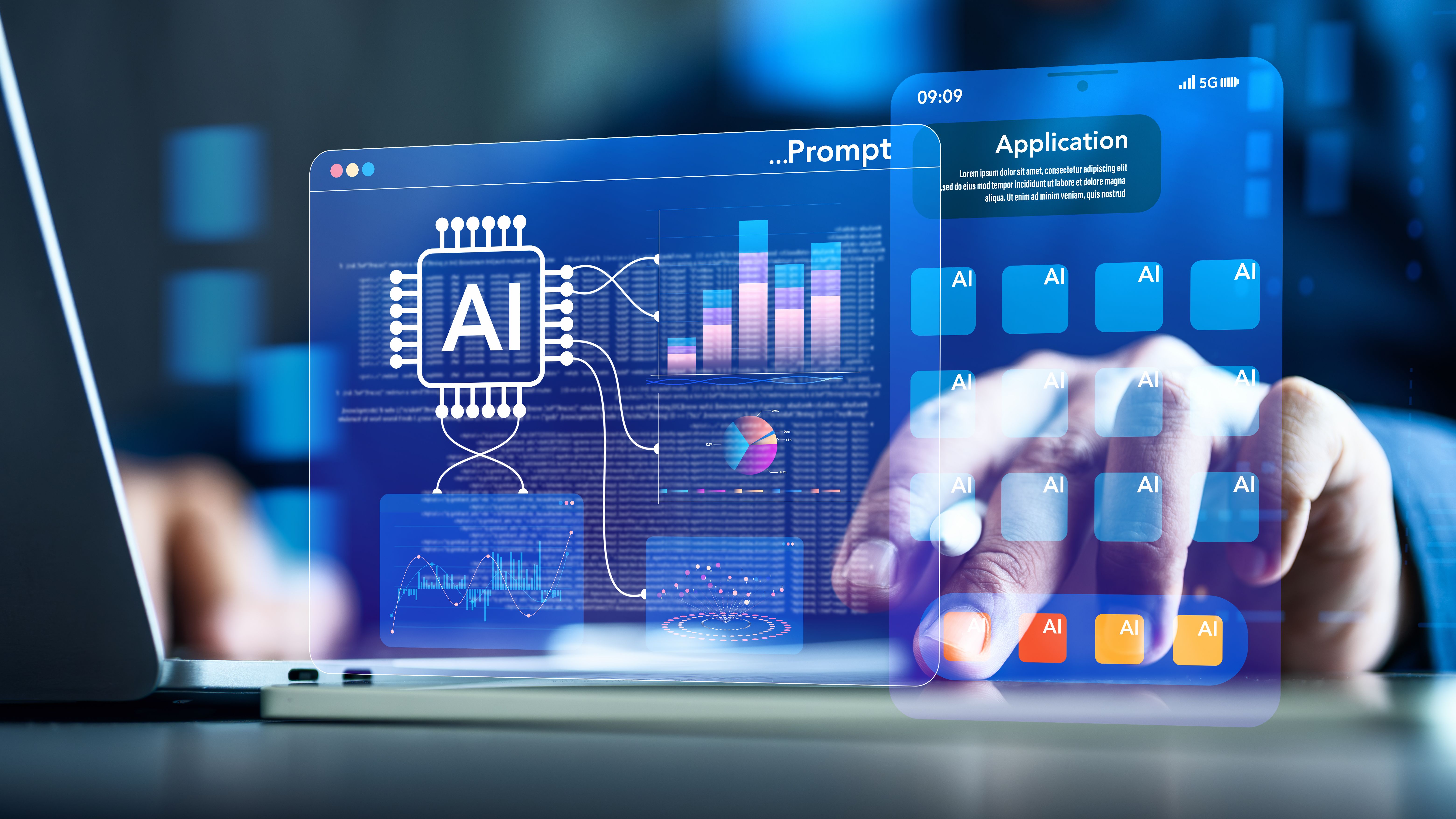
The Role of AI in User-Centric Design
AI enhances user-centric design by providing insights that were previously unattainable. Through data analysis and machine learning, AI can predict user behavior, allowing designers to create interfaces that anticipate user needs. This level of personalization leads to increased user satisfaction and engagement, a crucial factor in today's competitive market.
Moreover, AI-driven tools can automate repetitive tasks, freeing designers to focus on creativity and innovation. By handling data analysis and user testing, AI reduces the time and resources required for these processes, enabling faster development cycles.
Key Benefits of AI-Powered UX
One of the primary benefits of AI-powered UX is improved personalization. AI systems can analyze vast amounts of data to understand individual user preferences, tailoring experiences to meet their specific needs. This personalization can result in higher conversion rates and customer loyalty.

AI also enhances accessibility, allowing for the creation of more inclusive designs. By understanding diverse user needs, AI can help design products that cater to individuals with varying abilities, ensuring that everyone has equal access to digital resources.
Challenges and Considerations
While AI-powered UX offers numerous advantages, it also presents challenges. Privacy concerns are paramount, as AI systems often require access to large datasets. Ensuring data security and user consent is crucial to maintaining trust. Designers must also be wary of over-reliance on AI, as it may lead to designs that lack human empathy and creativity.

Implementing AI in Your Design Process
To successfully integrate AI into your design process, start by identifying areas where AI can add value. This could be through automating mundane tasks or providing insights into user behavior. Collaborate with data scientists to ensure that AI tools are effectively utilized and aligned with your design goals.
Adopt a user-centric mindset by continuously gathering feedback and iterating on your designs. AI can provide valuable insights, but user feedback remains a critical component of successful design. By balancing AI insights with human creativity, you can create innovative and engaging user experiences.
The Future of AI-Powered UX
Looking ahead, AI-powered UX is set to play an even more significant role in shaping digital experiences. As AI technology continues to evolve, we can expect more intuitive and seamless interactions between users and digital products. Businesses that embrace this trend will be well-positioned to lead in the digital age.

In conclusion, AI-powered UX represents a paradigm shift in user-centric design. By harnessing the power of AI, designers can create experiences that are more personalized, efficient, and inclusive. As we move forward, the collaboration between human creativity and artificial intelligence will be key to unlocking new possibilities in the world of digital design.