
How AI is Revolutionizing the Design Process


Artificial Intelligence (AI) is no longer just a futuristic concept; it is actively transforming industries around the globe, and the design field is no exception. By leveraging AI, designers are able to explore new creative possibilities, streamline work processes, and produce high-quality outputs more efficiently than ever before.

Enhancing Creativity and Innovation
One of the most exciting aspects of AI in design is its ability to enhance creativity. AI tools can generate a multitude of design variations in a matter of seconds, allowing designers to experiment with different styles, colors, and layouts. This capability expands the designer's creative horizon and opens up new avenues for innovation.
Furthermore, AI can analyze vast amounts of data to predict design trends, helping designers stay ahead of the curve. By understanding consumer preferences and market dynamics, AI can suggest design elements that resonate with target audiences, ensuring that designs are both innovative and relevant.
Streamlining Design Processes
AI is also revolutionizing the efficiency of design processes. With AI-powered tools, repetitive tasks such as resizing images, adjusting colors, or aligning elements can be automated. This allows designers to focus on more strategic and creative tasks, significantly reducing the time and effort required to complete a project.
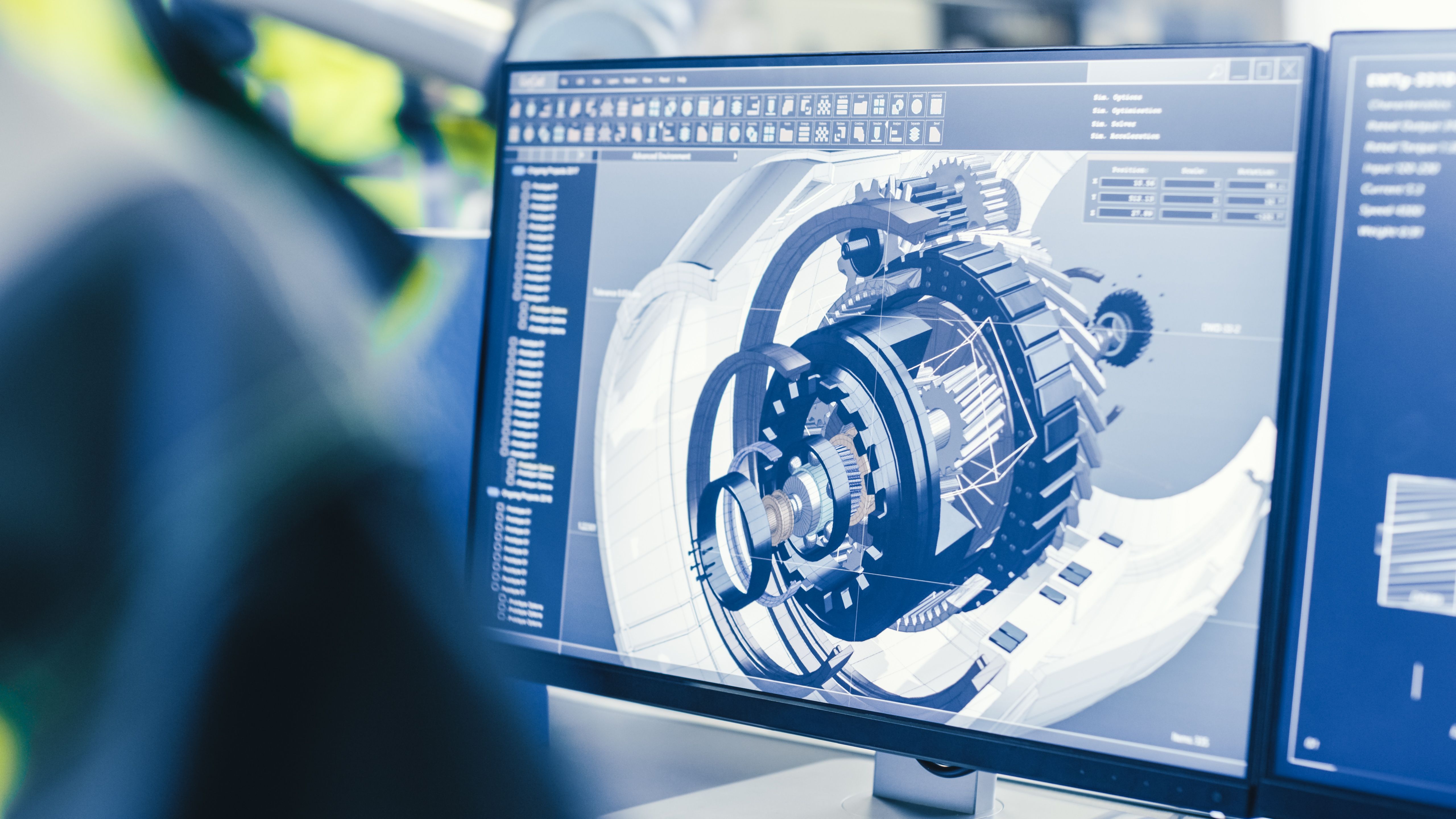
Moreover, AI-driven design platforms can facilitate collaboration among team members, providing a centralized hub where designers can share ideas, receive feedback, and make real-time changes. This collaborative environment fosters creativity and ensures that projects progress smoothly and efficiently.
Improving Design Quality
AI's ability to analyze and learn from data also plays a crucial role in improving design quality. By continuously learning from user interactions and feedback, AI systems can identify areas for improvement and suggest enhancements that align with user needs.
For instance, AI can help optimize user interfaces by analyzing user behavior and suggesting changes that improve usability and engagement. This data-driven approach ensures that designs are not only aesthetically pleasing but also functional and user-friendly.

The Future of AI in Design
The integration of AI into the design process is just the beginning. As AI technology continues to evolve, its impact on the design industry is expected to grow even further. Emerging technologies such as augmented reality (AR) and virtual reality (VR) are likely to be integrated with AI, creating immersive and interactive design experiences.
Looking ahead, AI could enable entirely new forms of design, such as designs that adapt in real-time to user interactions or environments. This dynamic approach could redefine how we perceive and interact with design in everyday life.
Conclusion
AI is undeniably revolutionizing the design process, offering unprecedented opportunities for creativity, efficiency, and quality. As designers continue to embrace AI technology, the potential for innovation is limitless. By harnessing the power of AI, the design industry is poised for a future where creativity knows no bounds.